
TL;DR: Client satisfaction is easier to achieve when a cleaning company has clear policies before, during and after each visit. The most useful policies define the scope of work, explain scheduling and access, set realistic expectations, protect privacy and property, provide quality checks, and give clients a straightforward way to report a concern. A good policy does not hide behind fine print. It tells the client what will happen and how the company will respond if something needs attention.
Why do cleaning-service policies matter?
Cleaning is a hands-on service performed inside a home, office or other occupied space. That makes trust, communication and consistency just as important as the cleaning itself. When policies are vague, clients may assume that every surface, appliance or room is included. The cleaner may be working from a different understanding. Even a well-completed visit can feel disappointing when expectations were never aligned.
Clear policies prevent that problem. They give both sides a shared description of the work, the schedule, the price and the next steps. For Ottawa clients comparing providers, the best policies are written in plain language and are easy to confirm before booking.
1. A written scope of work
The scope of work should explain what the cleaning includes and what requires a separate request. It may list rooms, surfaces, tasks, service frequency and any special priorities. For example, routine residential cleaning in Ottawa may focus on kitchens, bathrooms, floors and dusting, while a one-time deep clean may include more detailed work around trim, fixtures and buildup.
A clear scope also identifies exclusions. Inside appliances, high windows, heavy lifting, post-construction debris or specialty stain treatment may need additional time, equipment or pricing. Listing those details is not a limitation; it is how a company avoids surprises and prepares the right team.
2. Transparent estimates and change approval
A useful estimate should state what information the price is based on, such as square footage, room count, condition, frequency and requested tasks. If the cleaner arrives and the space is substantially different from the description, the company should explain the change before doing extra billable work.
Clients should know whether the quote is fixed, hourly or subject to an on-site review. They should also know how additions are approved. A simple rule—no material change without client approval—supports trust and keeps the final invoice understandable.
3. Scheduling, access and cancellation rules
Reliable scheduling is a major part of satisfaction. Policies should cover arrival windows, how delays are communicated, who provides access and what happens when a cleaner cannot enter the property. For commercial clients, the plan may also include alarm instructions, keys, security desks or work outside regular business hours.
Cancellation and rescheduling terms should be reasonable and visible before the appointment. The same standard should apply to the company: if the team must change a visit, the client should receive prompt notice and a practical replacement time.
4. Communication before and after service
Clients should have a clear contact method for questions, updates and special instructions. Good communication includes confirming the appointment, recording priorities, noting sensitive surfaces or pets, and explaining anything that could affect the result.
After the visit, the company should make it easy to report a missed area or ask a question. MJM Cleaning provides an online quote form and direct phone contact so clients can describe the space and priorities before work is scheduled.
5. Quality-control checks
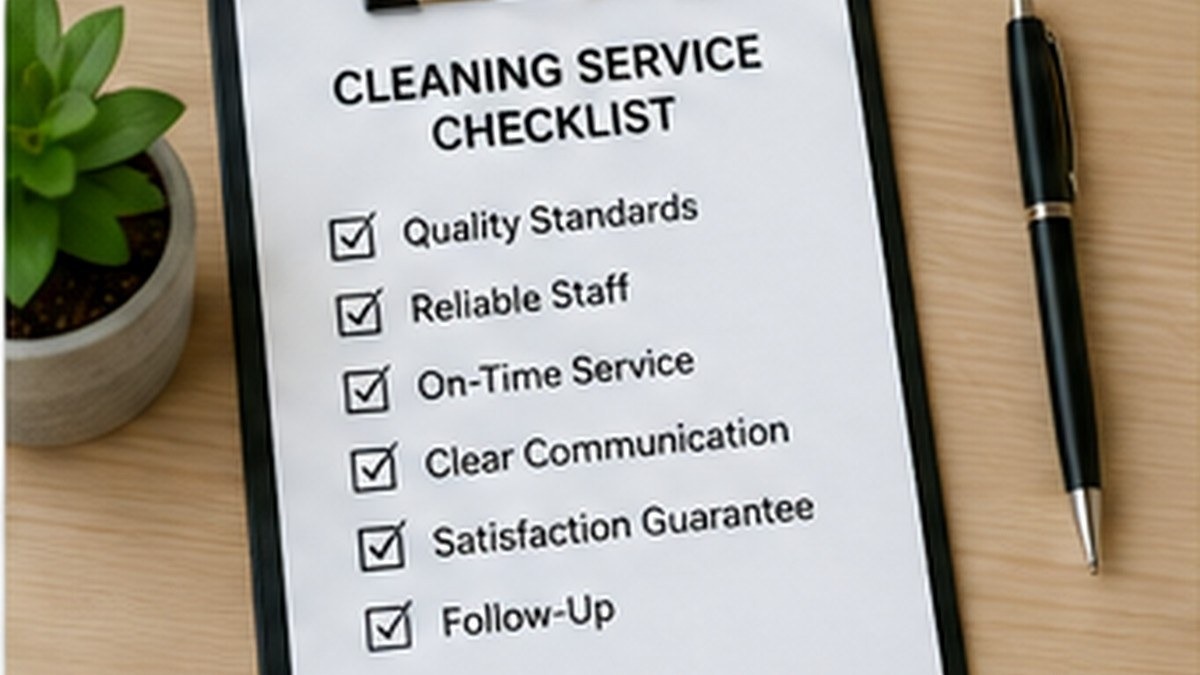
A quality-control policy explains how the company checks that the agreed work was completed. Depending on the job, that might include a supervisor review, a checklist, client sign-off, photographs where appropriate, or periodic follow-up on recurring accounts.
Quality checks should focus on the agreed scope rather than an undefined promise of perfection. A checklist can confirm that high-touch areas, washrooms, floors, waste bins and other requested tasks were addressed. For a larger commercial cleaning account, inspections also help keep results consistent across different visits and team members.
6. A clear concern-resolution process
Even careful teams can occasionally miss a detail. The important question is what happens next. A satisfaction policy should tell clients how quickly to report a concern, what information to provide and how the company will assess it.
A practical process usually starts with listening, confirming the original scope and reviewing the specific area. When a return visit is appropriate, the company should explain the timing and what will be corrected. When the requested task was outside the booked service, the company should explain the available options without becoming defensive.
7. Realistic service guarantees
A guarantee should be specific enough to understand. Broad promises such as “every stain will disappear” are not realistic because results can depend on the material, age, previous treatment and type of damage. This is especially true for carpet cleaning in Ottawa, where permanent dye loss or an old stain may not respond like fresh surface soil.
A stronger policy promises a professional process: clear expectations, appropriate products and equipment, careful work, and a defined response if an agreed task was missed. That is more useful than an absolute promise that ignores the condition of the property.
8. Property, privacy and safety policies
Clients should understand how the company handles keys, alarm codes, personal information and access instructions. Cleaning teams should also have guidance for fragile items, unsafe conditions, sharps, biohazards and areas that cannot be cleaned safely without specialized preparation.
Insurance and worker coverage are part of that professional foundation. Before hiring, ask the company to explain its insurance and WSIB status where applicable. Our guide on insurance when hiring cleaning staff outlines the questions to ask.
9. Consistency for recurring cleaning
Recurring clients should know how instructions are recorded and how changes are communicated. The company may not always be able to send the same individual, so the service plan and property notes need to be clear enough for another trained team member to follow.
Periodic reviews are also valuable. A home or workplace changes over time, and the original cleaning plan may need to be adjusted for seasonal dirt, staffing, pets, renovations or higher traffic.
What should you ask before booking a cleaning company?
- What tasks are included in the quoted service?
- Which tasks cost extra or require advance approval?
- How are arrival times, delays and access handled?
- What quality checks are used?
- How quickly should a concern be reported?
- What happens when an agreed task is missed?
- Is the company insured, and is WSIB coverage in place where applicable?
- How are keys, alarm information and client privacy protected?
A professional provider should be comfortable answering these questions. The goal is not to find the longest policy document. It is to find a company whose policies are clear, reasonable and matched to the service you are buying.
Related questions
What is a cleaning-service satisfaction policy?
It is a written explanation of the company’s service standards, client responsibilities and process for handling questions or missed tasks. It helps both sides understand what happens before, during and after the cleaning.
Should a cleaning quote list every task?
It should identify the main scope and any important exclusions. A room-by-room checklist is especially useful for deep cleaning, move-related work and recurring commercial service.
How quickly should I report a cleaning concern?
Report it as soon as practical, ideally while the details are still easy to review. The company’s policy should state the reporting window and the information it needs.
Does a satisfaction guarantee mean every stain can be removed?
No. A responsible guarantee should account for material condition, permanent damage and previous treatment. It should focus on the agreed work and the company’s response if something was missed.
Why are quality-control checklists useful?
They turn general expectations into specific tasks and help maintain consistency across visits, team members and larger properties.
Can cleaning policies be customized for a business?
Yes. Commercial cleaning plans can address security, access, operating hours, high-traffic areas, inspection schedules and site-specific safety requirements.
Need Professional Cleaning in Ottawa?
Tell MJM Cleaning about your property, priorities and preferred timing. We can recommend a suitable residential, commercial or specialty cleaning plan.