
TL;DR: If you want to properly clean high-touch areas, focus on the spots people grab all day, like door handles, light switches, counters, railings, faucets, and shared equipment. Clean first to remove dirt, then disinfect with the right product for the right contact time. In Ottawa homes and workplaces, a simple routine done often is better than a deep clean done once in a while. MJM Cleaning uses that same practical approach to help keep homes, offices, and shared spaces cleaner and easier to maintain.
What counts as high-touch areas?
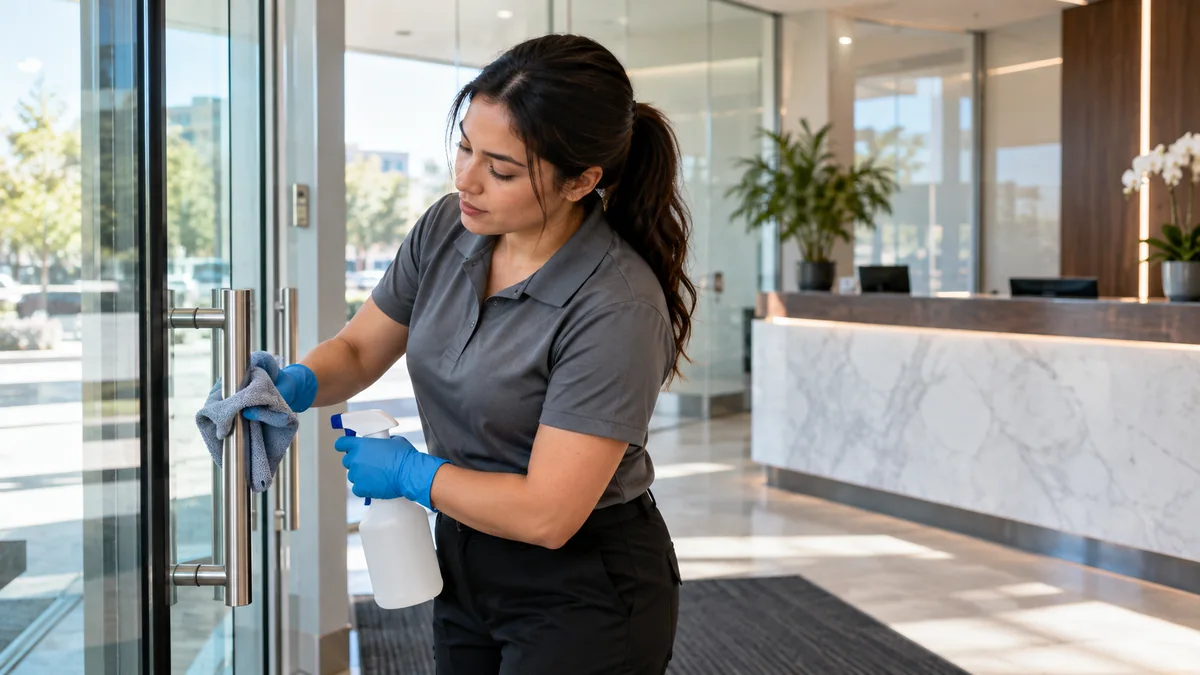
High-touch areas are the surfaces people touch over and over during the day. They collect oils, dust, germs, and grime faster than other surfaces. In a home, that usually means door knobs, fridge handles, taps, remote controls, stair rails, appliance buttons, and bathroom fixtures. In an office, it can include elevator buttons, shared desks, printers, keyboards, break room counters, and washroom hardware.
The reason these spots matter is simple. They connect people, rooms, and routines. If one person touches a surface and another person touches it later, that surface can become a transfer point. That is why proper cleaning is not just about appearance. It is about reducing buildup and keeping shared spaces more sanitary.
How to properly clean high-touch areas?
The best method is to clean in two steps. First, remove visible dirt and residue. Second, disinfect if the surface needs it. Many people skip the first step, but disinfectant works best on a clean surface. If there is grease, dust, or soap film in the way, the product cannot do its job well.
Start by gathering the right supplies. You usually need a microfiber cloth, warm water, a mild cleaner, and a disinfectant approved for the surface you are cleaning. For Ottawa homes and businesses, this matters because winter salt, slush, and road grime can make entry points and shared surfaces dirty faster than people expect.
Wipe the surface with a damp cloth and cleaner first. Pay attention to edges, grooves, and spots people often miss, like the underside of handles. Then apply disinfectant if needed and leave it wet for the full contact time listed on the label. That contact time is what makes the product effective. Wiping it off too soon reduces the result.
Which high-touch areas should be cleaned first?
It helps to work from the most frequently touched areas to the less obvious ones. In a home, start with kitchen and bathroom touchpoints. In an office, start with shared and public areas. A good order looks like this:
- Door handles and knobs
- Light switches
- Faucets and sink taps
- Countertops and table edges
- Appliance handles and buttons
- Handrails and banisters
- Shared electronics and controls
- Washroom fixtures
This order works because it moves from the most common contact points to the ones people forget. It also helps you avoid recontaminating clean surfaces by touching dirty ones later.
What products work best on high-touch surfaces?
Not every product is right for every surface. Stainless steel, sealed wood, laminate, plastic, and glass all need different care. A product that works well on a desk may leave streaks on glass or damage a delicate finish. That is why reading the label matters.
For routine cleaning, a neutral cleaner and microfiber cloth often do the job. For disinfection, use a product that is meant for the surface and follow the label exactly. If you are cleaning around electronics, use a lightly damp cloth and avoid excess liquid. For porous materials, some disinfectants may not be suitable, so spot testing is smart.
MJM Cleaning often sees that people use too much product. More cleaner does not mean cleaner results. It can leave residue behind, attract more dust, and make surfaces sticky. A light, even application is usually better.
How often should high-touch areas be cleaned?
Frequency depends on use. In a busy home, high-touch areas should be wiped daily and disinfected as needed, especially during cold and flu season. In a commercial setting, many touchpoints need attention several times a day if the space has steady traffic. Shared kitchens, washrooms, reception areas, and meeting rooms usually need the most care.
In Ottawa, seasonal changes matter too. In winter, entrances, handrails, and lobby surfaces see more dirt from boots, gloves, and wet gear. In spring, pollen and outdoor debris can build up quickly. A cleaning schedule should reflect how the space is actually used, not just how it looks on paper.
What mistakes should you avoid?
The most common mistake is cleaning only what looks dirty. High-touch areas can look fine and still need attention. Another mistake is spraying cleaner directly onto electronics or switches, which can cause damage. A third is not letting disinfectant sit long enough to work.
People also forget to change cloths often. If one cloth is used on every surface, it can spread grime instead of removing it. Microfiber cloths should be rinsed or swapped out once they become damp and dirty. That small habit makes a big difference.
Another problem is cleaning in the wrong order. If you clean a bathroom handle and then a kitchen counter with the same cloth, you are moving soil around. Good cleaning follows a clean path, not a random one.
How can professional cleaning help?
Professional cleaning helps when the space is busy, the schedule is tight, or the surfaces need more than a quick wipe. A trained team knows how to handle different materials, work in the right order, and keep high-touch areas on a regular schedule. That is especially useful for offices, clinics, multi-unit buildings, and homes with a lot of foot traffic.
MJM Cleaning supports Ottawa clients with practical cleaning routines that fit real life. Whether it is a home, office, or shared building space, the goal is the same. Keep high-touch areas clean, reduce buildup, and make the space feel cared for without creating more work for the people using it.
If you want help building a routine for your space, you can learn more about commercial cleaning services in Ottawa, residential cleaning services in Ottawa, or about our cleaning services in Ottawa.
Related questions
Should high-touch areas be cleaned or disinfected first?
Clean first, then disinfect if needed. Dirt and residue can block disinfectants from working properly, so the surface should be wiped down before any disinfecting step.
How do you clean high-touch areas without damaging surfaces?
Use the right product for the material, apply it lightly, and avoid soaking electronics or unfinished wood. Always check the label and test a small area if you are unsure.
What are the most important high-touch areas in an office?
Door handles, light switches, shared desks, printer buttons, break room counters, faucet handles, and washroom fixtures are usually the biggest priorities in an office.
How often should high-touch areas be cleaned in winter?
In winter, many high-touch areas need daily attention, and some shared surfaces may need cleaning several times a day because of salt, moisture, and heavier indoor traffic.
Can regular household cleaners be used on high-touch areas?
Yes, for routine cleaning on many surfaces. For disinfection, use a product that is labelled for that purpose and follow the contact time on the package.
Why do high-touch areas get dirty so quickly?
They are touched often by many hands, which transfers oils, dust, and grime. In busy homes and workplaces, that constant contact makes them collect buildup faster than low-use surfaces.
Talk to MJM Cleaning
Request a quote through our online quote form, call 613-862-4911 or text us.